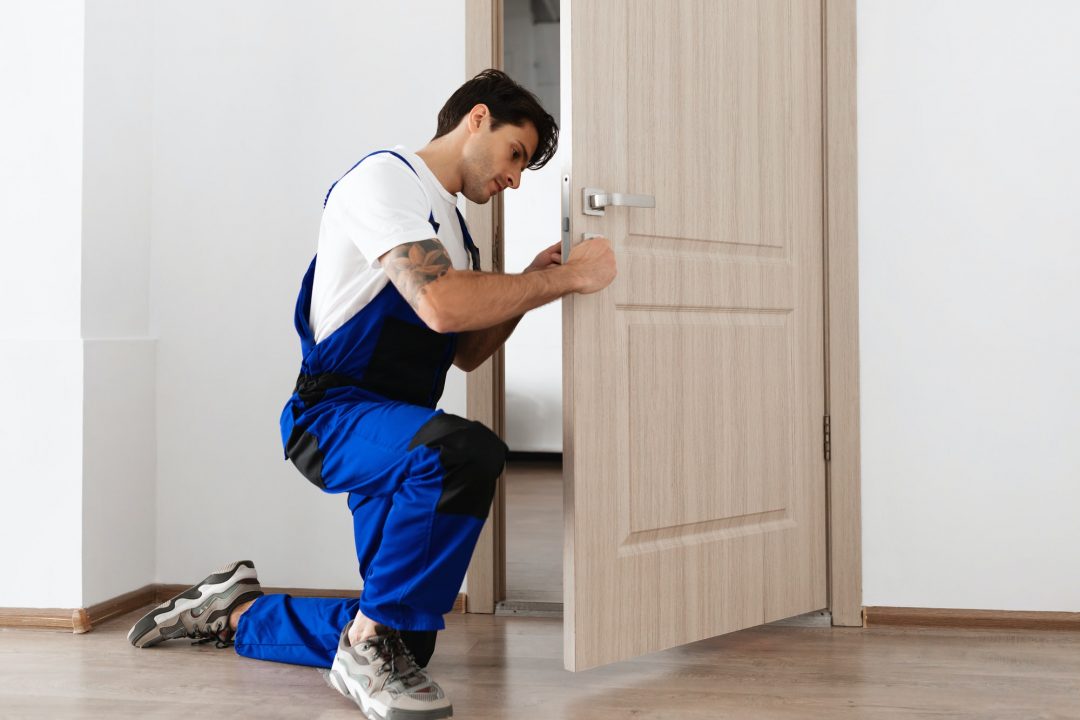
Are smart locks a safer solution than traditional locks?
Smart locks feel like the future. You unlock your door with a code, an app, or automatically when you approach your home. It’s convenient and seamless. But convenience alone doesn’t equal security. The real question is whether smart locks actually make your home safer than a traditional lock.
What really changes with a smart lock
Traditional locks are purely mechanical. You insert a key, turn it, and the door opens. Security depends on the quality of the cylinder and how well it’s installed. A high-grade anti-snap cylinder offers strong resistance against physical break-in techniques. Simple, predictable, and reliable.
A smart lock adds a digital layer on top of that mechanical base. The lock itself still exists, but access is managed electronically. Instead of handing out physical keys, you grant digital access. If someone no longer needs access, you remove it instantly without changing the lock.
The biggest difference is not convenience, but control. Smart locks allow you to decide who enters, when they can enter, and for how long. You can view access logs, manage permissions remotely, and stay in control even when you’re not home. That level of oversight isn’t possible with traditional locks.
Digital security always depends on physical security
One crucial fact is often overlooked: a smart lock is only as secure as the mechanical lock underneath it. If the cylinder is outdated or vulnerable, adding smart technology does not increase real security.
That is why a professional locksmith assessment always starts with the mechanical foundation. Only when the cylinder, lock, and door construction meet proper security standards does upgrading to smart access become a reliable and sensible choice.
Are smart locks actually safer?
In many cases, yes. Smart locks remove some of the most common vulnerabilities of traditional locks. Physical keys can be lost, stolen, or copied without your knowledge. With smart locks, access is digital and can be revoked immediately.
They also eliminate risky habits, like hiding spare keys or distributing copies to multiple people. Temporary access codes and digital keys allow you to grant controlled access without permanently weakening security.
However, smart locks introduce digital risks. Low-quality models with weak encryption can be vulnerable. High-quality smart locks use strong, encrypted communication and secure authentication methods. Choosing the right lock and installing it correctly makes all the difference.
When smart locks make sense
Smart locks are particularly useful if you:
Regularly grant temporary access to others
Want better control over who enters your home
Prefer not to rely on physical keys alone
Need flexible access management
They are less effective when the door, frame, or cylinder is outdated or vulnerable. In those situations, improving the mechanical security should always be the first priority before considering any smart locking solution.
Frequently asked questions about smart locks
Can a smart lock be hacked?
High-quality smart locks use strong encryption, making hacking extremely unlikely. Cheap or uncertified models carry more risk. Security depends on both hardware quality and software protection.
What happens if the battery runs out?
Smart locks include backup solutions, such as a physical key or emergency power access. You won’t be locked out because of a dead battery.
Do smart locks replace the physical lock?
No. Smart locks enhance the mechanical system rather than replacing it. A physical locking mechanism always remains in place.
Is professional installation necessary?
Strongly recommended. Incorrect alignment or poor installation can weaken the door and may affect insurance coverage. A professional locksmith ensures proper fitting and optimal security.